
We treat black house ants, coastal brown ants, Argentine ants, white-footed house ants, carpenter ants and other common species in homes and businesses throughout Burpengary East and surrounding areas. We identify the species, locate their nests and tailor treatment to the infestation.
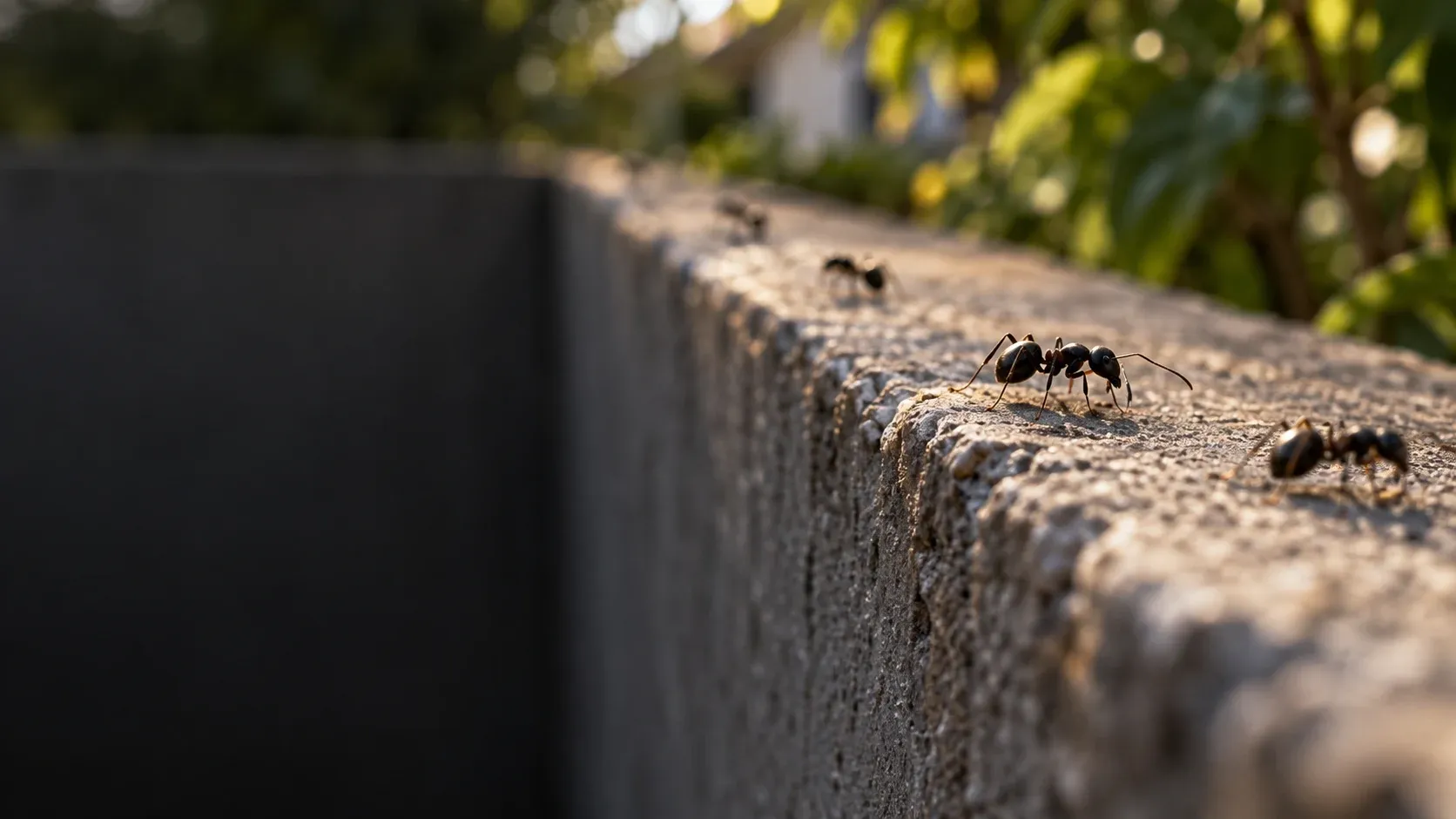
Ant treatment in Burpengary East
Stop ants at the source.
Professional ant treatment for homes and businesses in Burpengary East and surrounding areas. Treatment matched to the ant species and where they're nesting, not a one-size-fits-all fix.
Targeted treatments
Matched to the species and nest.
Your home in mind
Clear advice for families and pets.
Think long term
Practical steps to help prevent a return.
Small pests.
Big disruptions.
We stop them.
The problem
The trail is only part of the colony.
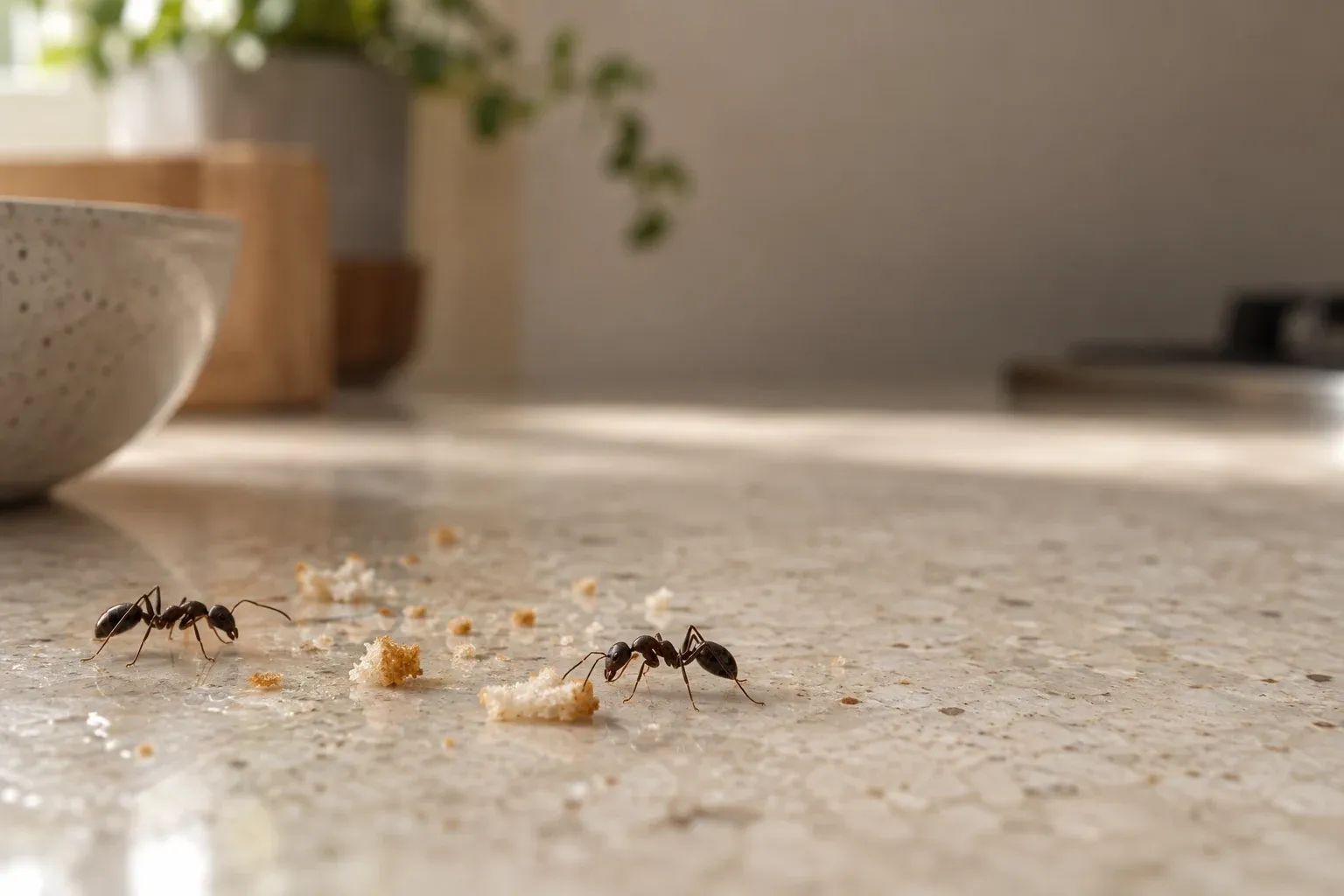
A few ants on the kitchen bench are usually foragers from a much larger colony. The nest may be tucked inside a wall, under paving, in a garden bed or outside your property altogether.
Clearing the ants you can see may leave the colony untouched. Getting on top of the problem starts with knowing which ants you're dealing with and where they're coming from.
Stop the problem.
Types of ants we treat
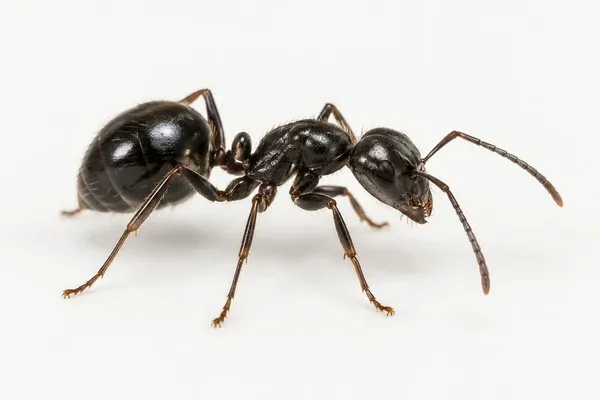
Black House Ants
Trail indoors; often nest in walls
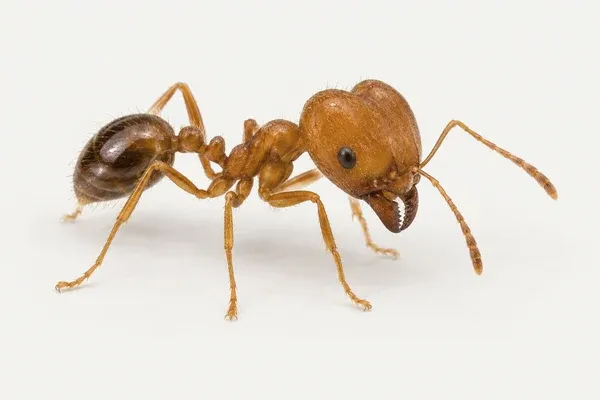
Coastal Brown Ants
Push soil up between pavers
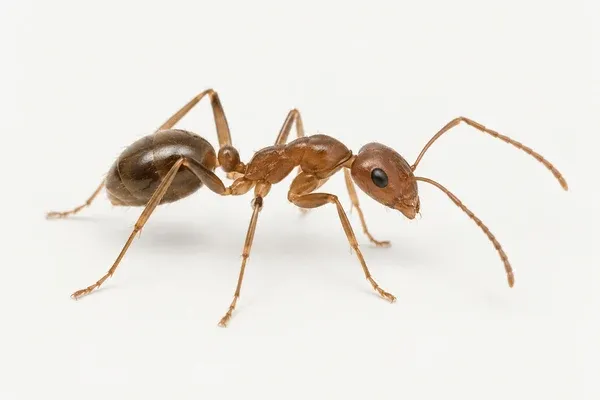
Argentine Ants
Multi-queen colonies that spread
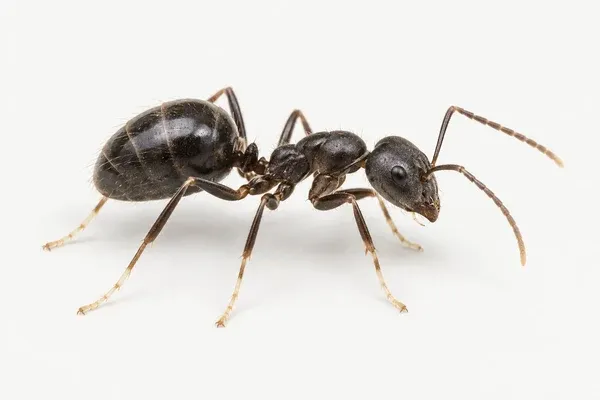
White-footed House Ants
Large colonies in walls and roofs
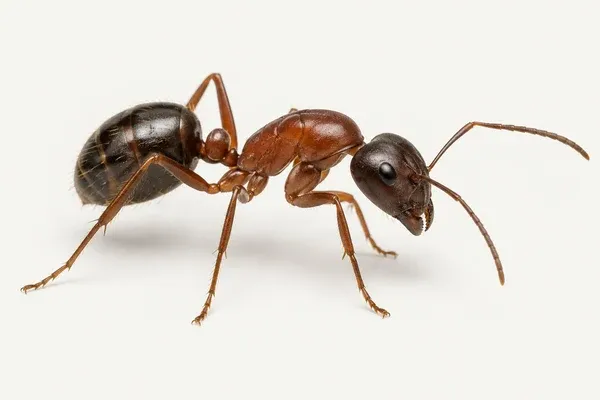
Carpenter Ants
Often nest in damp or soft timber
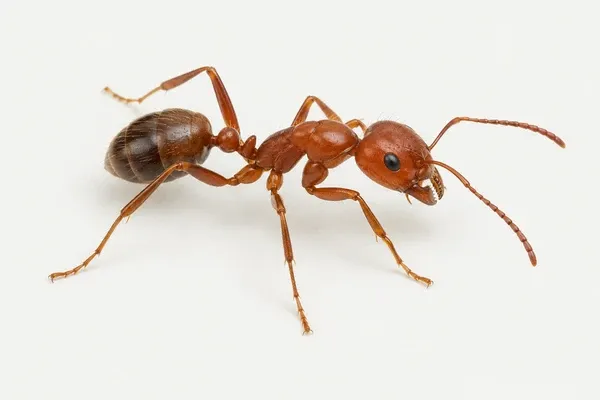
Other Ant Species
Identified before we treat
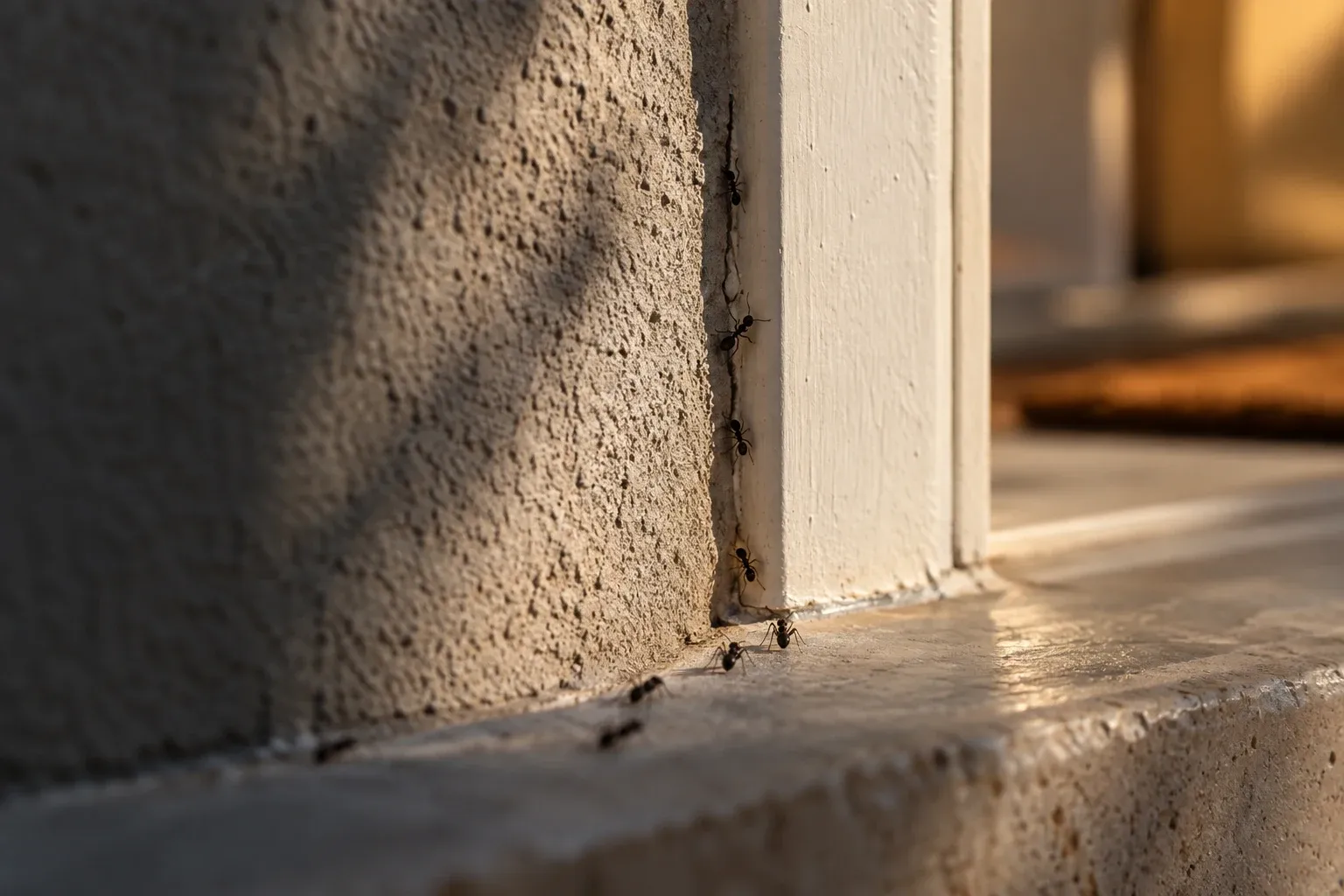
Prevention
No single treatment works on every ant.
A spray along the kitchen bench may clear today's trail while the colony carries on. Ant species behave differently. Some nest in wall cavities and roof voids, others under paving, slabs or garden beds, and some in damp timber. Some colonies have a single queen, while others have many queens spread across connected nests. So a treatment that works well on one species can fall short on another, and for some ants the wrong approach can split a colony into new nests. We choose the method for the species, where they're nesting and how far the colony has spread, with your family, pets and property in mind.
- Identify the ant species and signs of activity
- Trace trails back to nests, inside and out
- Match the treatment to the species and nesting sites
- Share practical advice to help prevent a return
A considered
approach.
A clearer path
to a pest-free home.
Our process
A simple process. Lasting results.
Clear advice at every step. Understand the problem, know what to expect and take practical steps to help keep ants out.
Inspection
Identify the species, follow the trails and locate nests and entry points.
Treatment
Apply a treatment suited to the species, where they're nesting and your property.
Prevention
Get practical recommendations to reduce food, water and easy access for ants.
Outdoor treatment
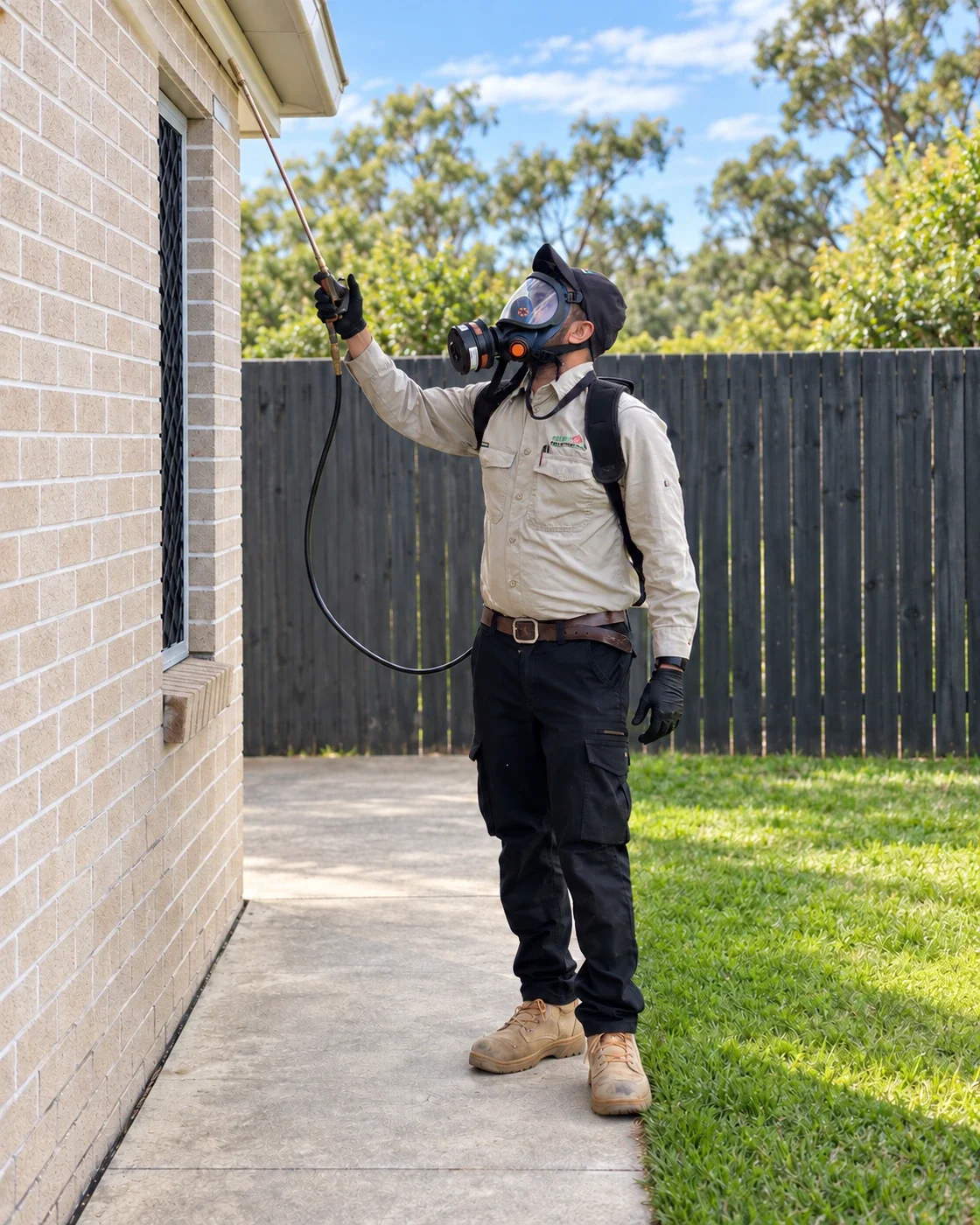
Many ant problems start outside.
Colonies often nest in garden beds, under paving or in nearby plants, then trail inside through small gaps around doors, windows and walls.
Where outdoor treatment is needed, we focus on nesting sites, trails and entry points around your home, using a method suited to the species. Then we share practical steps to help keep ants outside.
Frequently asked questions
Ant Treatment FAQs
Each species feeds, nests and spreads in its own way. Coastal brown ants usually nest in soil and under paving, often across many connected nests. White-footed house ants nest in walls, roof voids and nearby plants, and don't pass food through the colony the way most ants do. Carpenter ants mostly forage at night and nest in damp or damaged timber. An approach that suits one species can miss another, so we identify the ants and find the nests before choosing a treatment.
We'll outline the appointment length and expected time for activity to settle when planning your treatment. You'll know what to expect afterwards and the schedule for any follow-up visits.
Tell us about children, pets and any specific concerns when you enquire. We'll explain how to prepare, which areas to keep clear and when you can use treated spaces again.
Ants can return if part of a colony survives, a nearby colony moves in, or food, water and entry points remain available. Wiping up crumbs and spills, keeping food and pet food sealed, fixing leaks, trimming plants back from the house and sealing accessible gaps can help reduce repeat activity. If you're still seeing ants after treatment, contact us to discuss the next step.
Before your appointment, we'll confirm whether you need to leave, when you can return and the arrangements for children and pets. Follow the preparation and re-entry instructions provided for your treatment.
Request a free quote with your suburb, where you're seeing ants and how long you've noticed them. We'll outline the recommended treatment and cost.
Ready to get rid of ants?
Get your free quote today.
Take the first step towards a more comfortable home. Tell us about your ant problem and get local advice for your property in Burpengary East and surrounding areas.